Biography
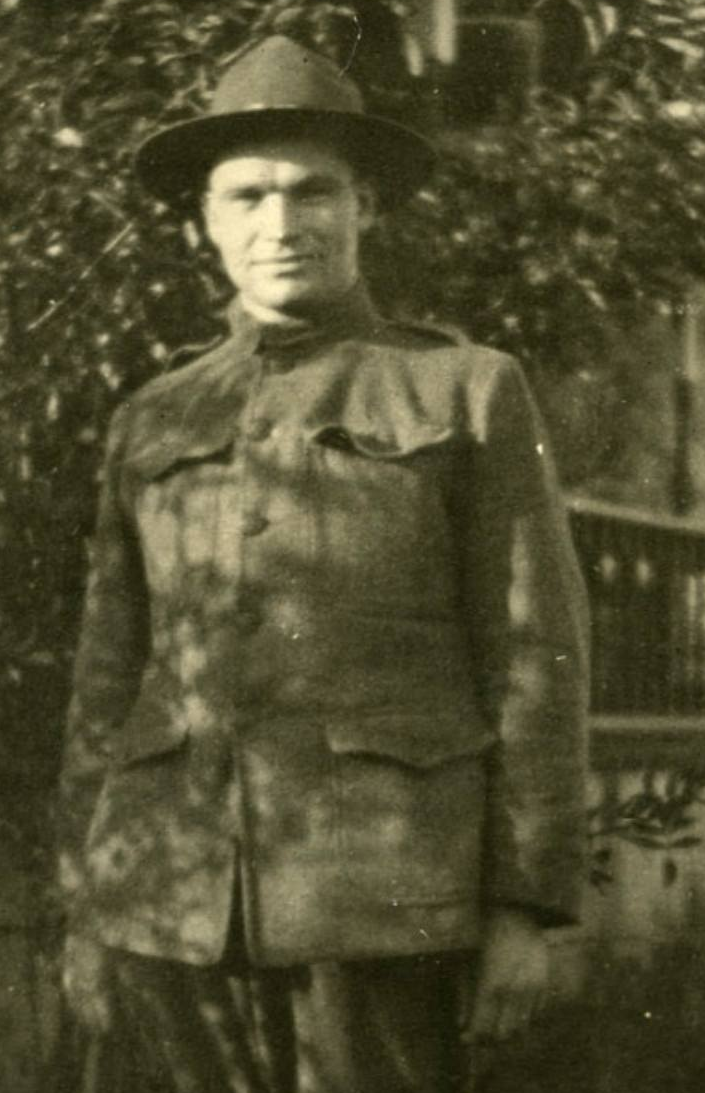
Neil Guiney was an Industrial Workers of the World organizer born in British Columbia who entered the United States in 1913. He was arrested in St. Maries, Idaho, during the 1917 logging strike and acquitted of criminal syndicalism. He later became secretary of the Lumber Workers' Industrial Union and opened its Portland office. In 1919 he was detained in immigration proceedings over IWW literature he distributed. The Ninth Circuit upheld denial of his habeas petition on December 1, 1919, in Guiney v. Bonham, 261 F. 582. The opinion corrected a government letter falsely describing his Idaho case as a conviction and imprisonment in the state penitentiary. The deportation order does not establish his departure date or destination.
In the March 1920 hearing, immigration official Raphael Bonham explicitly testifies that Guiney was escorted to the Canadian boundary and delivered to a Canadian official. This establishes completed removal before the testimony, without an exact departure day. Bonham expressly says the Canadian reporting and surveillance arrangement involved no confinement, so no Canadian prison case is inferred. His recollected October appeal timing is not substituted for the existing independently cited December 1, 1919 judicial decision. Source: https://upload.wikimedia.org/wikipedia/commons/2/27/Hearings_before_the_Committee_on_Immigration_and_Naturalization_-_H._of_R.%2C_66th_Congress_%28IA_cu31924051624827%29.pdf#page=117
Vecellio’s list individually dates his St. Maries arrest July 18, 1917 and reports the group’s November 29 release, except Nick Verbeck. The established judicial acquittal is retained; the roster is not proof of imprisonment after that release.
The One Big Union Monthly, May 1920, vol. 2 no. 5, PDF page 60.