
Biography
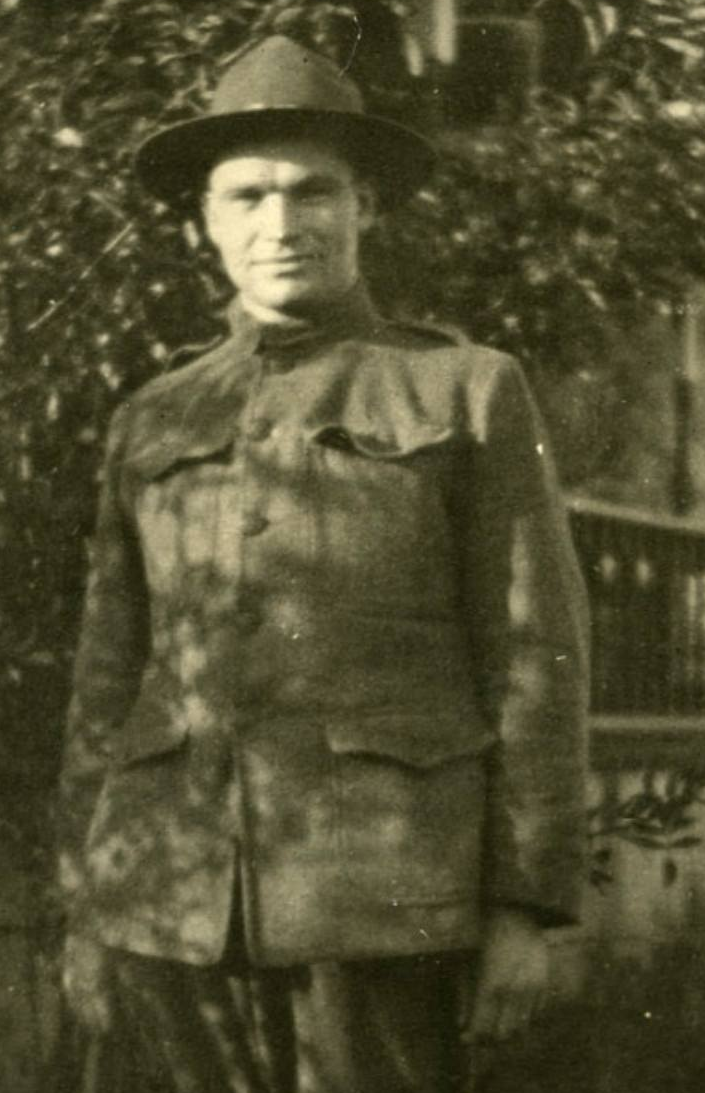
Wesley Everest was an IWW Wobbly, lumber worker, and World War I infantry veteran. On Armistice Day, November 11, 1919, American Legion marchers attacked the Centralia, Washington IWW union hall. Everest was inside; in the resulting gunfight four Legionnaires were killed. Everest fled, was captured, and was held in the Centralia city jail. That night a mob took him from the jail, castrated him in the back of a car en route to the Chehalis River, and hanged him from the Mellen Street railroad bridge. The mob then fired on the body. The official coroner's verdict was that Everest "jumped from the bridge with a rope around his neck" — no one was ever prosecuted for his murder. Everest's body was buried by IWW prisoners (the Centralia 8) in an unmarked grave.
The December 25, 1931 Centralia retrospective describes Everest being taken by the attacking mob, mutilated and lynched from the Chehalis River bridge at night after the November 11, 1919 confrontation. The already stored November 11 endpoint represents death rather than release to freedom and is recorded separately as death in custody. The account supplies no complete measured period of confinement. Source: https://www.marxists.org/history/usa/pubs/dailyworker/1931/v08-n309-NY-dec-25-1931-DW-LOC.pdf#page=3
Ralph Chaplin’s Centralia retrospective identifies Barnett as still imprisoned, McInerney in a photograph after interrogation, and Everest in a named portrait and burial photograph. It describes Centralia defendants’ continuing Walla Walla confinement and obstacles to their defense. The group’s approximately six years is not applied to Everest, who was lynched, or adopted as any survivor’s complete duration.
The issue advertises Chaplin’s Centralia pamphlet and describes its photograph of Everest’s burial by prisoners from the Centralia jail under military guard. This supports the established lynching history without creating a second death or new custody episode.
The One Big Union Monthly, May 1920, vol. 2 no. 5, PDF page 61.


