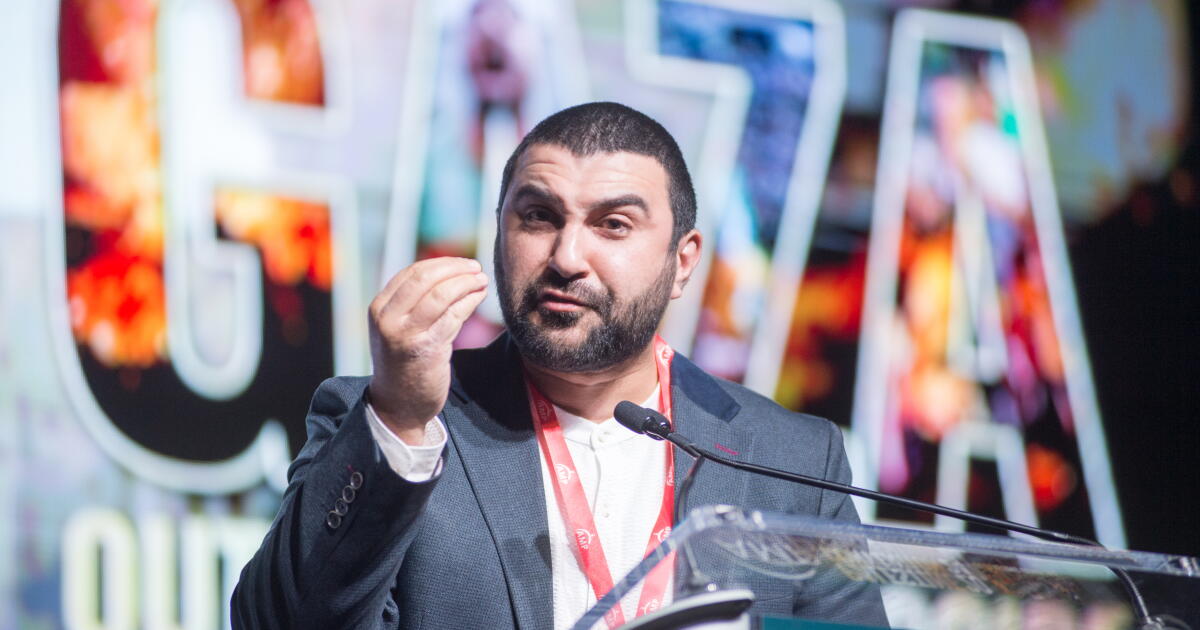

British political commentator Sami Hamdi spent 18 days in U.S. immigration custody after the State Department revoked his visitor visa in the middle of a speaking tour. A federal official linked the decision to Hamdi's commentary about the Middle East. His lawyers and supporters called the detention retaliation for political speech.
Immigration and Customs Enforcement officers detained Hamdi at San Francisco International Airport on October 26, 2025. He had spoken the previous night at a Council on American-Islamic Relations gala near Sacramento and was scheduled to appear at another event in Florida.
Hamdi, then 35, is a British citizen of Tunisian and Algerian descent and the managing director and editor in chief of the London-based current-affairs organization The International Interest. He had entered the United States on October 19 with a visitor visa. According to the Associated Press, the State Department revoked that visa on October 24, effective immediately, after officials were alerted to statements Hamdi had made about the Middle East.
A visa revocation created the immigration charge
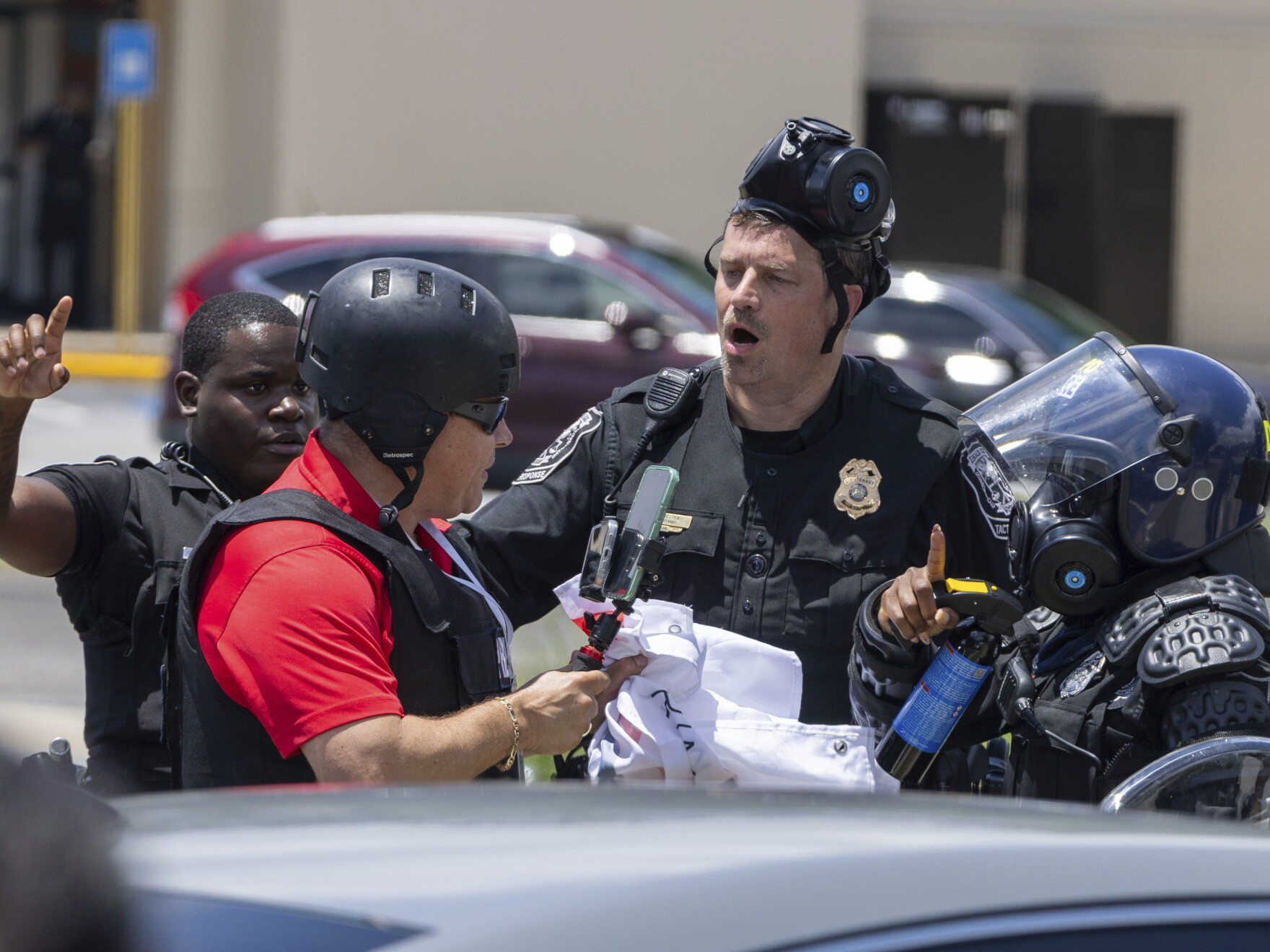
The immigration charging document did not accuse Hamdi of a crime. It alleged that he had remained in the country after the government revoked the visa that authorized his visit. ICE initially held him in California, including at the Golden State Annex detention facility in McFarland.
Administration officials publicly portrayed the case in more serious terms. The Department of Homeland Security accused Hamdi of supporting Hamas, and State Department officials said visa holders who endorse terrorism or threaten public safety could be removed. The government did not identify a criminal charge or publicly specify which statement caused the revocation. Hamdi's representatives denied that he supported Hamas and said edited clips had distorted remarks in which he discussed reactions to the October 7 attacks and the war in Gaza.
The sequence made the speech issue unavoidable. Hamdi was admitted to the country, spoke at public events, lost his visa without advance notice during the tour and was then arrested because the revocation had eliminated his lawful status. A senior U.S. official told AP that his Middle East commentary prompted the action.
Eighteen days in custody
Hamdi challenged the detention and sought release. On November 10, the government agreed that he could depart voluntarily. His family and CAIR said the agreement contained a government stipulation that he was not a danger to the community or to national security. He left custody and returned to London on November 13, 18 days after his arrest.
Speaking after his return, Hamdi said the arrest had separated him from his wife and children and warned that immigration powers were being used to suppress criticism of Israel. He said he was considering legal action. The government maintained that a visa is a privilege and defended its authority to revoke one.
A broader policy of immigration consequences for speech
Hamdi's detention joined a series of cases in which the administration used immigration law against noncitizens associated with pro-Palestinian advocacy. The legal mechanisms differed: some people were permanent residents placed in removal proceedings, while Hamdi was a visitor whose visa was cancelled. The common issue was the government's reliance on political expression as part of the justification for an immigration consequence.
His release did not produce a judicial ruling on whether the revocation violated the First Amendment. Voluntary departure ended the immediate detention while leaving the central dispute unresolved: how far the executive may use visa and removal powers to punish a visitor for views expressed in the United States.
NPPC's Sami Hamdi profile records the custody period and sources supporting the 18-day imprisonment total.