
Florida's new “domestic terrorist organization” laws created a state process for branding organizations as terrorist, then attaching criminal, financial, educational and administrative penalties to the designation. A federal lawsuit by CAIR and CAIR-Florida now asks whether that system lets elected officials punish protected advocacy before a neutral court has reviewed the evidence.
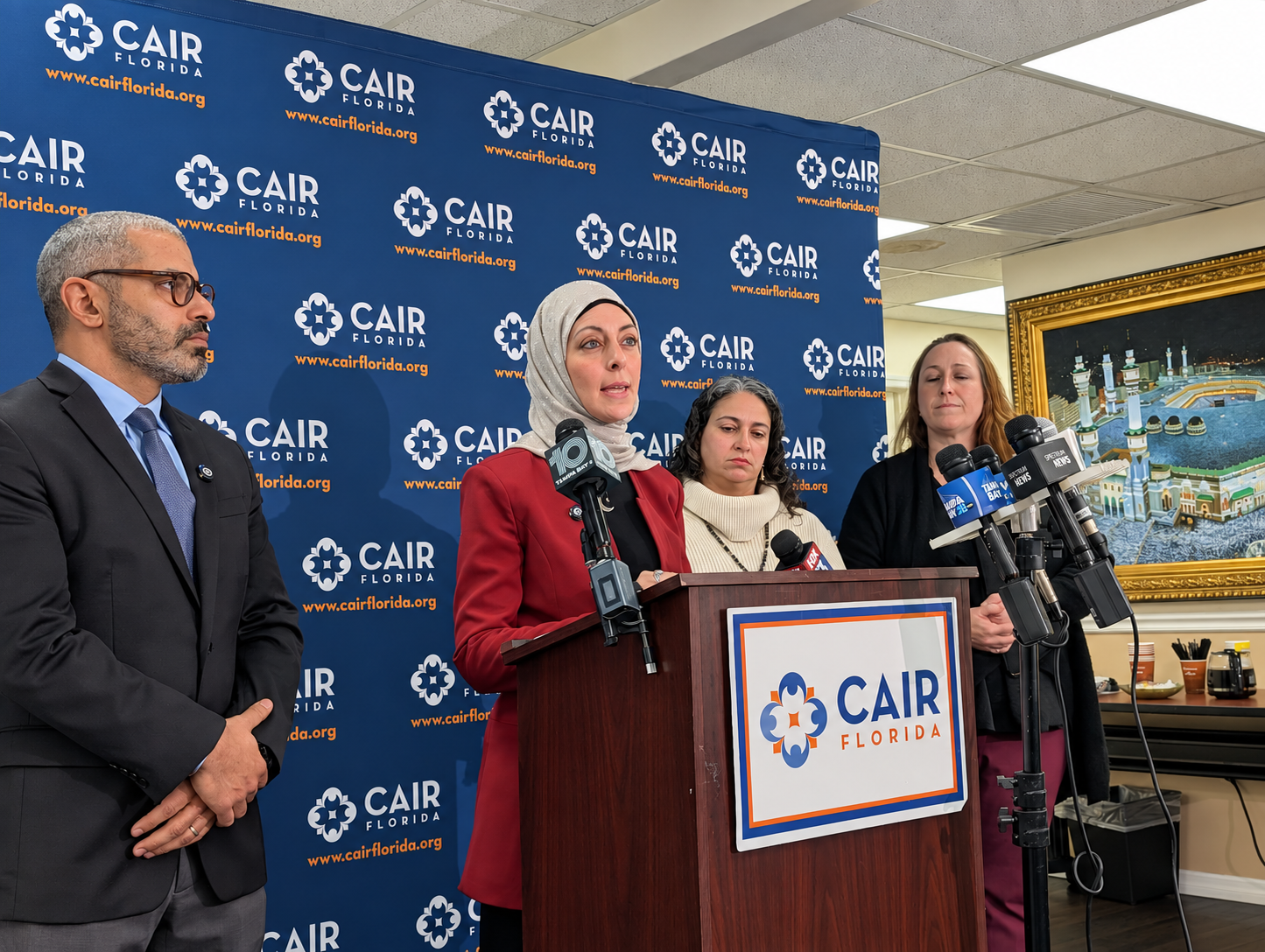
The challenge, CAIR-Foundation, Inc. and CAIR Florida, Inc. v. DeSantis, was filed on July 1, 2026, hours after Governor Ron DeSantis announced that Florida intended to designate the Council on American-Islamic Relations under the new laws. The ACLU case page, updated September 23, lists the case as ongoing.
The lawsuit does not ask a court to review a completed criminal conviction. It challenges the designation machinery itself: who makes the decision, what notice an organization receives, when penalties begin and whether meaningful judicial review comes before the state's action can cripple the targeted group.
What HB 1471 and HB 1473 created
DeSantis signed HB 1471 and its linked public-records measure, HB 1473, in April. They took effect July 1. The Florida Senate's official summary says the law authorizes the Florida Department of Law Enforcement's chief of domestic security to recommend designating an organization as domestic or foreign terrorist. The governor and Cabinet may approve or reject that recommendation by majority vote, after which the designation is published in the Florida Administrative Register.
The law reaches far beyond a label. It creates or expands crimes involving material support, training and directed membership; permits administrative dissolution of some corporations; restricts state funding, contracts and public benefits; and imposes consequences in public education. Students who promote a designated organization can lose specified state support or fee benefits under provisions whose application is itself likely to generate speech disputes.
Florida officials describe the system as a permanent counterterrorism framework that recognizes federally designated foreign terrorist organizations and lets the state identify additional threats. At the July 1 announcement, DeSantis said the state intended to designate CAIR, the Muslim Brotherhood and “Antifa,” along with more than 90 federally listed foreign organizations.
The First Amendment claim
CAIR and CAIR-Florida are civil-rights nonprofits that engage in public education, litigation, religious-freedom work and criticism of government policy. They have not been charged with or convicted of terrorism. Their complaint argues that the new regime allows Florida officials to convert political disagreement with those activities into a designation carrying immediate and incapacitating consequences.
The plaintiffs say the laws burden core speech and association in several directions at once: the organization's own advocacy, the rights of employees and members, the ability of donors and contractors to associate with it, and even the ability of lawyers to provide representation without risking a material-support allegation. They also raise a Fourteenth Amendment due-process claim, arguing that notice and review are inadequate before the penalties take effect.
Those are allegations awaiting a merits decision. Florida maintains that the laws target support for terrorism rather than protected viewpoints and that the designation process includes notice, executive approval and an avenue to appeal.
The designation was paused, not withdrawn
On July 14, the ACLU announced that state officials had paused the planned CAIR designation while FDLE developed implementing regulations. A court filing said no designation would occur before those rules were finalized. The pause reduced the immediate risk but did not repeal the statutes, end the case or resolve the constitutional questions.
The district court had earlier declined emergency relief because it wanted more briefing and evidence that officials were carrying out the announced threat. That procedural ruling was not a finding that the designation system is constitutional. The September case update likewise reports ongoing litigation, not a final judgment.
A separate order has already been blocked
The statutory challenge should also be distinguished from an earlier lawsuit over DeSantis's December 2025 executive order. That order independently labeled CAIR a terrorist organization for state executive purposes and sought to cut off contracts, employment, funding and other benefits. On March 4, 2026, a federal judge preliminarily blocked enforcement, finding that CAIR was likely to show unconstitutional government coercion of third parties to suppress its speech. Florida appealed that ruling to the Eleventh Circuit.
HB 1471 attempts to place similar state power on a legislative foundation and adds a formal designation process. The new lawsuit tests whether those procedural additions cure the constitutional problem or give the same punishment a broader and more durable vehicle.
The stakes extend beyond CAIR. A state power to designate advocacy organizations as terrorist can be turned toward whichever movement an administration treats as a security threat. Florida's first announced targets make the case concrete; the First Amendment question is whether any administration may impose the consequences of guilt through an executive designation before the state proves unlawful conduct in court.