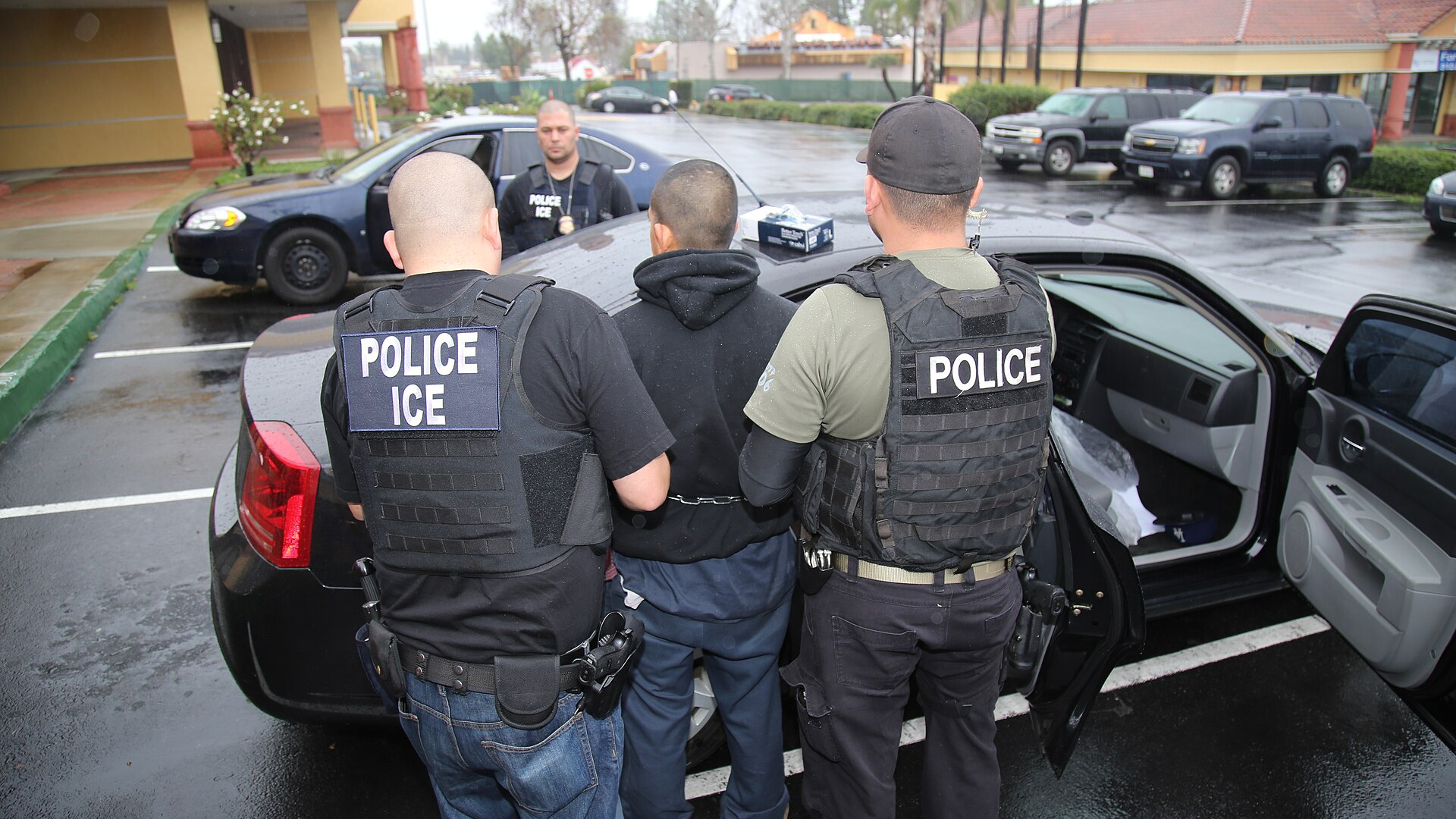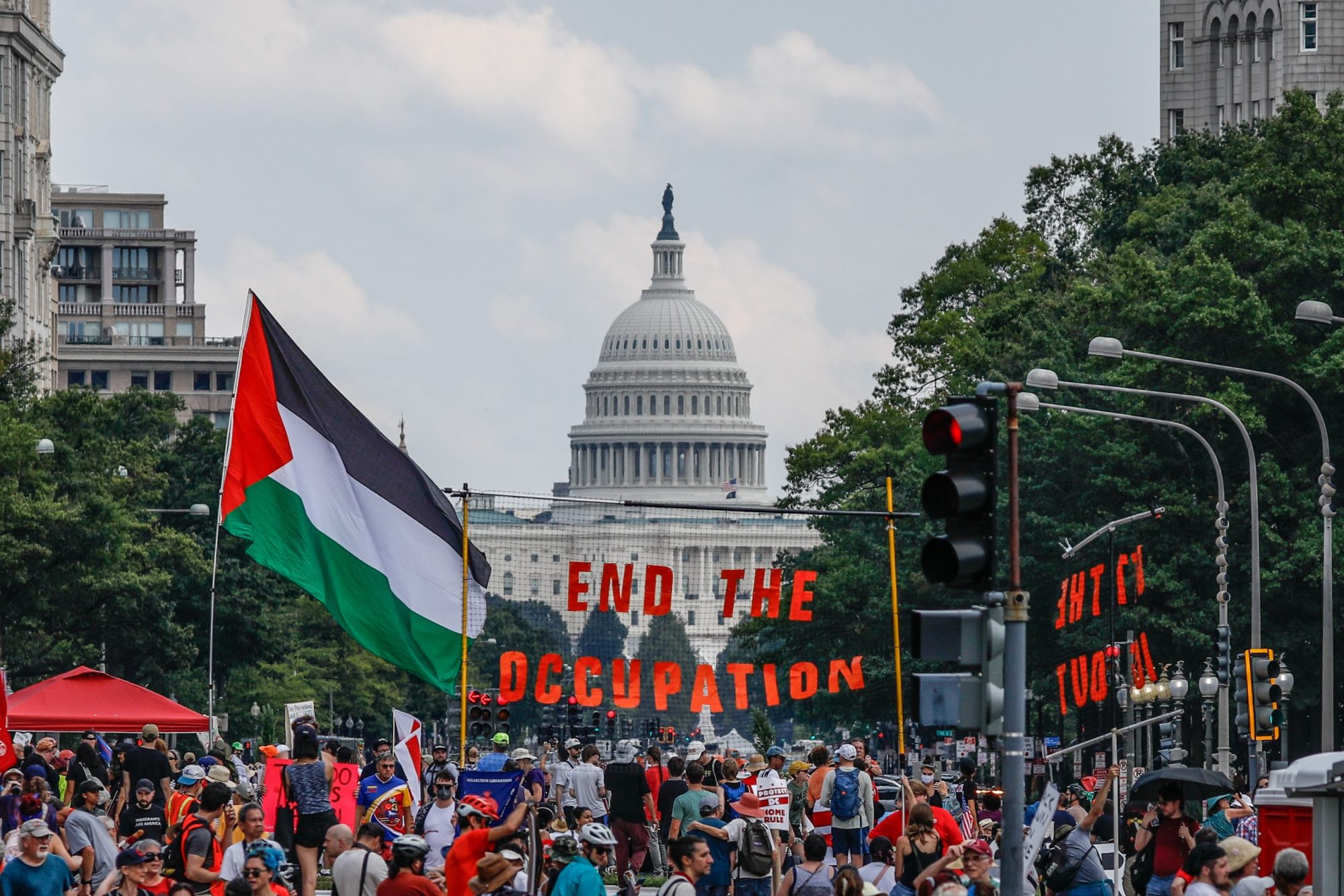

An Associated Press review of 167 arrests during protest crackdowns in Los Angeles, Chicago, Portland and Washington found a striking divide between the Justice Department's public charging rhetoric and what prosecutors could sustain in court. Among 102 people arrested for felony assault on a federal officer, every one of the 12 completed trials ended without a felony conviction.
The AP analysis, published September 12, followed cases arising from demonstrations during the summer and fall of 2025 in four cities where President Donald Trump sought to deploy or did deploy the National Guard. Then-Attorney General Pam Bondi had promised “severe consequences” for people accused of interfering with federal officers.
The numbers show substantial punishment, but a much weaker felony-trial record than the announcements suggested. Of the 102 felony-assault arrests, 41 percent were dismissed and 34 percent ended in misdemeanor pleas. Ten defendants pleaded guilty to felony assault; nine received prison sentences. Three additional felony-assault cases in Los Angeles and Portland remained scheduled for trial when AP published its review.
The crucial trial result was absolute: all 12 cases that had reached trial, most of them in Los Angeles, ended in acquittal, mistrial or dismissal rather than a felony conviction. That does not mean every arrested person was exonerated, nor that the government lost every protest prosecution. It means juries and judges repeatedly rejected, or prosecutors abandoned, the felony cases the department chose to take through trial.
Explore AP’s case-outcome graphs
Select a city in the Associated Press interactive to compare felony-assault charges and their outcomes. The interactive currently shows 166 total cases and 100 felony charges; those totals differ from the 167 arrests and 102 felony-assault arrests in AP’s written report cited above.
A record far outside the federal norm
Federal prosecutors rarely lose. Administrative Office of the U.S. Courts data cited by AP showed that in 2024, 82 percent of defendants charged with felony or misdemeanor assault were convicted through a plea or at trial. Fewer than half of the protesters charged with either grade of assault in the AP dataset were convicted.
Former prosecutors and law professors told AP that the trial record raised questions about whether some charges should have been brought and whether felony complaints were used to create pressure for misdemeanor pleas. The Justice Department defended the prosecutions, saying cases were based on their individual facts and that prosecutors should reduce or dismiss charges when further investigation reveals mitigating information.
That explanation describes responsible case review. It also underscores the cost of arresting first and sorting the evidence later. A dropped felony still brings detention, court supervision, legal expense, employment consequences and the threat of a prison sentence while the case is pending.
Chicago and the Broadview Six
Chicago produced one of the clearest regional patterns. AP found that all but one of 19 felony-assault cases there were dismissed. The separate Broadview Six prosecution showed how institutional pressure could distort a politically charged case: federal prosecutors accused six anti-ICE demonstrators of conspiracy after a September 2025 protest outside the Broadview processing center, then abandoned the conspiracy count and ultimately lost the entire case after defense lawyers obtained grand-jury material.
That case, examined in NPPC's Broadview Six report, involved allegations that prosecutors pushed forward after the grand jury had declined the central theory. It became a concrete example of what national outcome statistics can otherwise obscure: the power to charge can impose months of punishment even when the prosecution ends without a conviction.
Los Angeles, Portland and Washington
In Los Angeles, jurors and judges were repeatedly unconvinced by felony-assault allegations arising from confrontations around immigration raids and federal facilities. Portland supplied some of the remaining trials and a longer history of federal protest prosecutions. Washington cases formed part of the same national push to characterize physical proximity, thrown objects, crowd movement and resistance to arrest as serious assaults on federal personnel.
The evidence varied from case to case. Some defendants admitted conduct and pleaded guilty. Others faced video evidence that did not support the government's initial description, identification problems, inconsistent officer testimony or facts a jury viewed as insufficient for felony assault. Grouping the results reveals the policy pattern without pretending every encounter was the same.
The prosecution itself became the sanction
The department's record matters because the arrests were part of a public strategy. Senior officials announced crackdowns, highlighted maximum penalties and described protest confrontations as organized attacks on law enforcement. The courtroom results show how often that framing outran proof beyond a reasonable doubt.
For defendants who won dismissal or acquittal, the legal system eventually supplied an answer. It did not return the time spent in custody, the money spent on defense or the months lived under felony exposure. The AP data therefore documents more than a losing trial record. It shows how aggressive charging can suppress protest even when the government's most serious claims ultimately collapse.